

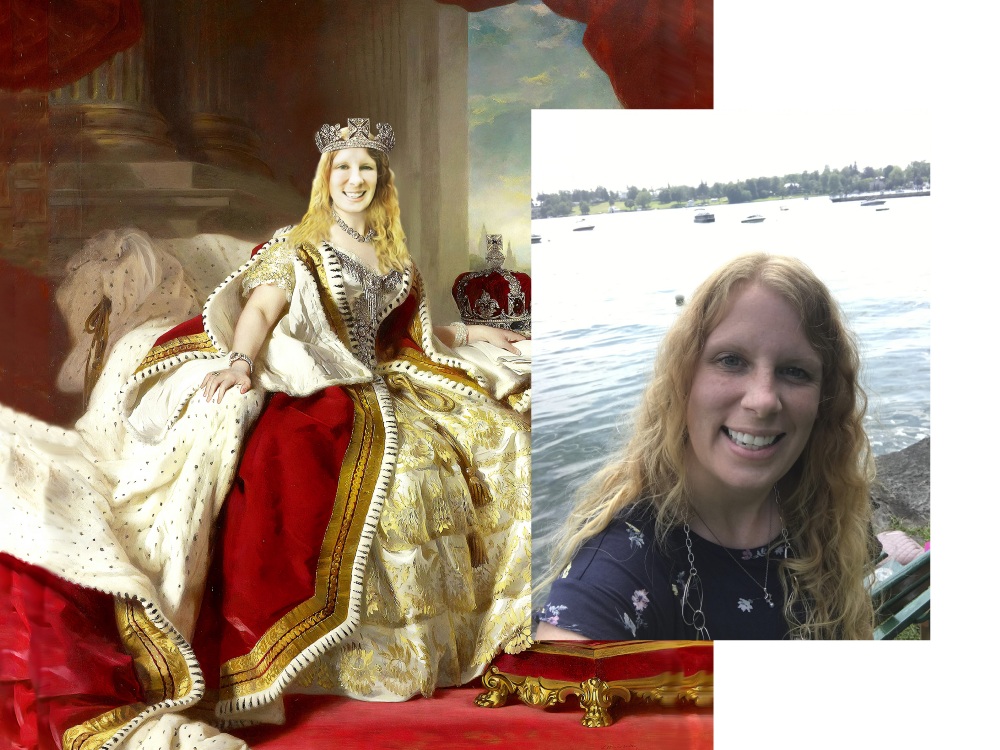
Retouching crosses the line when it removes temporary, natural features (skin texture, minor blemishes, stray hairs) versus permanently altering someone’s actual features (face shape, body proportions) — the first reads as pure polish, the second signals visual deception, eroding client trust instantly.
Index
- Where the Line Actually Falls
- Visual Neuro-Trust: How the Brain Detects Authenticity
- Why Over-Editing Backfires
- Signs a Photo Has Been Over-Retouched
- Authentic Editing Standards & Technical Preservation
- FAQ
Where the Line Actually Falls
Distinguish temporary elements from core identity. Blemishes, stray hairs, unwanted shadows, or wrinkled clothing fade naturally over time. Removing them preserves reality while elevating quality. Permanently altering face structure, body frame, or skin depth shifts images from accurate representations into artificial illusions.
Visual Neuro-Trust: How the Brain Detects Authenticity
The visual cortex processes images in milliseconds, scanning micro-textures, light reflections, and tactile details. When smooth filters erase natural pores, the brain registers subconscious friction, triggering immediate doubt. Preserving organic detail drives emotional connection, transforming passive viewers into confident buyers.
Why Over-Editing Backfires
Subtle edits refine clarity, amplify vibrancy, and guide focus precisely where you want it. Heavy manipulation causes a jarring clash between expectation and reality. For brands and personal portraits, this disconnect damages credibility instantly when meeting clients face-to-face or delivering tangible products.
Signs a Photo Has Been Over-Retouched
- Plastic skin finish: Complete absence of natural texture, pores, and warmth.
- Unnatural saturation: Harsh, glowing tones detached from environmental light.
- Extreme contrast shifts: Flattened shadows combined with blown-out highlights.
- Altered geometry: Warp distortion on background lines, facial symmetry, or proportions.
Authentic Editing Standards & Technical Preservation
Balancing visual enhancement with brand authenticity requires strict technical execution. Professional photo retouching utilizes non-destructive editing protocols to isolate temporary imperfections without compromising structural details, skin micro-texture, or real-world color fidelity.
Core technical benchmarks for ethical image refinement include:
- Frequency Separation Layering: Decoupling color data from high-frequency spatial texture allows targeted correction of temporary blemishes while leaving fundamental skin micro-patterns intact.
- Micro-Contrast & Highlight Retention: Preserving sub-pixel highlights and natural shadow roll-offs prevents the unnatural, flattened appearance typical of automated smoothing filters.
- Perceptual Color Calibration: Aligning white balance and tone curves to calibrated color spaces (sRGB/Adobe RGB) ensures physical product hues match digital representations perfectly across all displays.
FAQ
Is all photo retouching dishonest?
No. Exposure optimization and color calibration exist in every professional camera pipeline. Value lies in refining presentation while honoring truth.
Why do top brands demand unretouched imagery?
Raw visual honesty builds instant competitive authority, cutting through market noise with pure transparency.
How do I guarantee my product images drive sales?
Ensure the image matches the physical product down to tactile texture, correct color tones, and exact dimensions.
Get your free quote on WhatsApp
← Back to AI-Enhanced Product Photo Editing
